Context
Indonesian stocks plunged 7 percent at one point on March 18 before closing 3.8 percent lower — the sharpest fall in three years. The Indonesian Stock Exchange (IDX) suspended trading for 30 minutes, its first such halt since the pandemic in March 2020. This decline continues a broader trend, with the index down 11 percent year-to-date and 20 percent over the past six months.
The selloff, which contrasted with gains in regional and global markets that day, underscores growing financial sector and investor unease over policy uncertainty under President Prabowo Subianto's administration — concerns that had already unsettled Indonesian conglomerates and multinational companies alike. While the IDX Composite is on the rebound, this is a moment to dissect the policymaking dynamics fueling market turmoil and assess how Prabowo's leadership style is driving investor uncertainty.
Significance
Budget Cuts and Fiscal Policy
In January, the government abruptly announced an 8.5 percent spending cut, affecting nearly all ministries and agencies. The move was poorly communicated, leading to weeks of uncertainty before it was revealed that the savings would be redirected to Danantara. Further unsettling markets, the president also canceled a planned VAT hike from 11 percent to 12 percent at the last minute, disrupting key fiscal projections.
Economic Growth Projections
An Organization Economic Cooperation and Development report released on March 17 downgraded Indonesia's growth forecast from 5.2 percent to 4.9 percent, reinforcing concerns that the country faces stagnation in stark contrast to the government's 8 percent growth ambitions and the rapid GDP expansion in neighboring Vietnam and the Philippines. The downgrade aligns with broader economic warning signs, including mass layoffs in the manufacturing sector, reports of a shrinking middle class and the first instance of deflation in more than two decades — signaling softening demand.
Implications
Prabowo's Leadership Style
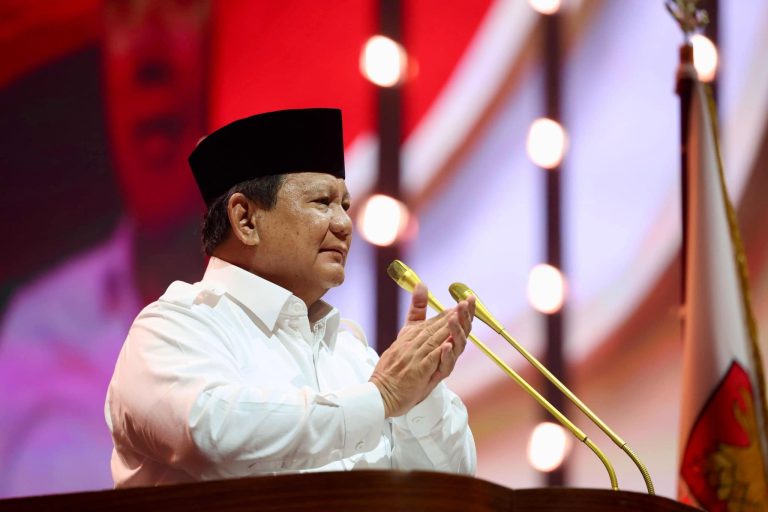
President Prabowo campaigned on mainstream pro-people policies (free meals, affordable housing) and, just five months into office, has a staggering 80 percent approval rating for advancing these initiatives. However, he has also shown a pattern of making spontaneous and sweeping concessions, including popular but expensive initiatives such as canceling the 2025 VAT increase, expanding electricity subsidies, and providing debt forgiveness for small businesses.
Impact on Investors
While President Prabowo has stated ambitions to attract high-quality foreign direct investment, recent policy shifts have sparked concerns among global companies and market analysts. The administration's policymaking is shaped by three key characteristics — a "common people" approach, extreme political inclusivity, and hardline stances on certain priorities. This combination has defined Prabowo's first five months: remarkable political stability and high approval ratings but also growing uncertainty — even frustration — among investors.
Conclusion
Market Outlook
Indonesia's market volatility reflects the challenges faced by Prabowo's administration in balancing political popularity with investor confidence. While pro-people policies receive high public support, uncertainty in economic policymaking has created unease among institutional investors and multinational companies.
Recommendations for Investors
In facing this uncertain environment, investors are advised to:
- Closely monitor policy developments and their impact on specific sectors
- Diversify portfolios to reduce concentration risk in Indonesian markets
- Consider long-term investment strategies that can adapt to policy changes
- Increase engagement with local stakeholders to understand political and economic dynamics
Need Tax Consultation?
The Practice's expert team is ready to assist your company in navigating the 2024 tax regulation changes. Contact us for a consult now.